
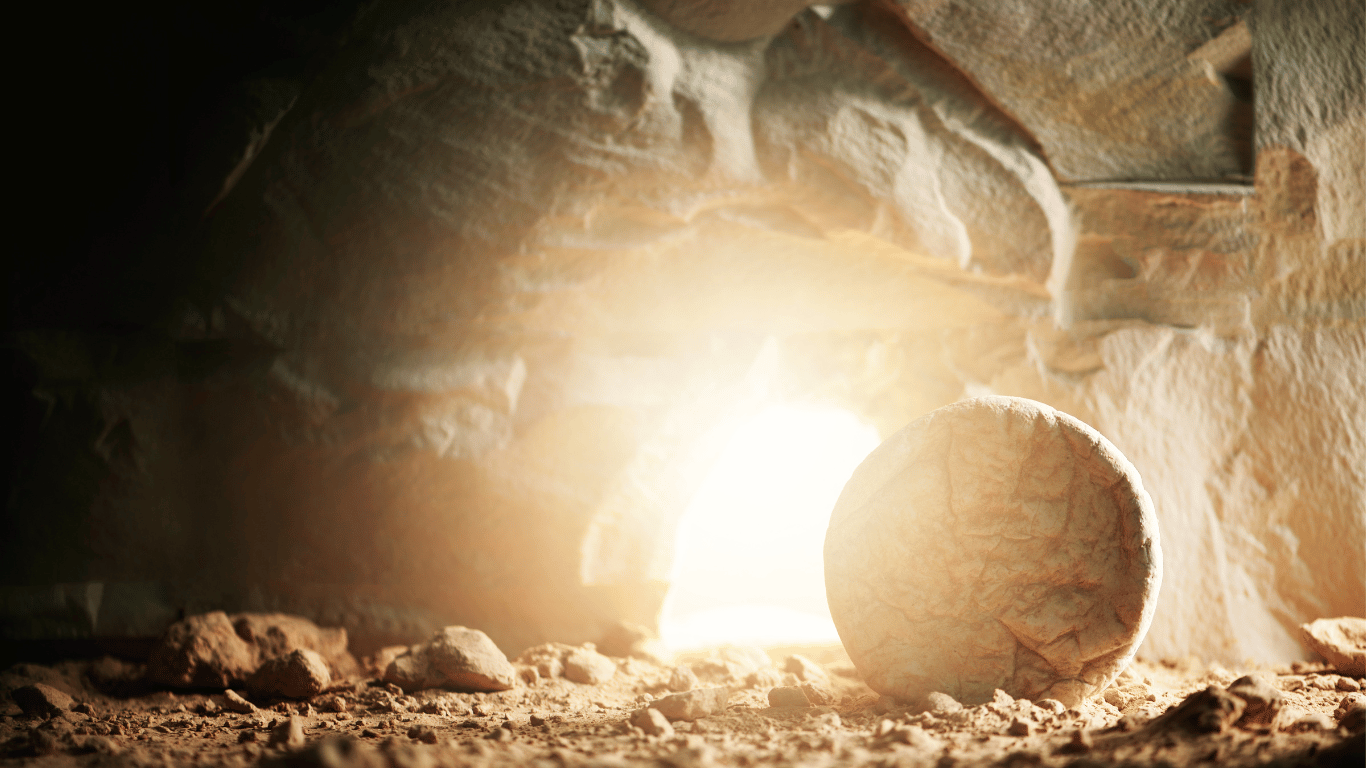
Resurrection is the concept of coming back to life after death. It is a belief that is shared by many religions, but with different interpretations and implications.
Ancient religions in the Near East
Some of the oldest religions in the Near East had myths of dying and rising gods, such as Osiris, Baal, Adonis, and Dumuzi. These gods were usually associated with fertility, vegetation, seasons or kingship. Their death and resurrection symbolized the cycle of nature and the renewal of life. However, these myths did not imply a general resurrection of the dead for humans, but rather a special privilege for the divine or royal figures.
Ancient Greek religion
In the ancient Greek religion, some men and women became physically immortal as they were resurrected from the dead. These include Heracles, Asclepius, Alcestis, Castor and Pollux, Orpheus, Eurydice, Ganymede, and others. Some of them were deified after their resurrection, while others remained as heroes or demigods. Their resurrection was usually a result of divine intervention, love, sacrifice or magic. They did not represent a common destiny for all humans, but rather exceptional cases of favor or fate.
Buddhism
Buddhism does not have a concept of resurrection in the sense of reviving a dead body or restoring a personal identity. Instead, it teaches the doctrine of rebirth or reincarnation, which means that after death, one’s consciousness or mind stream continues to exist in another form of life, depending on one’s karma or actions. The goal of Buddhism is to achieve nirvana or liberation from the cycle of rebirth, which is seen as a state of suffering and ignorance. However, some schools of Buddhism also believe in the possibility of attaining Buddhahood or enlightenment, which is a state of perfect wisdom and compassion. Some Buddhist legends also tell stories of miraculous resurrections performed by Buddha or his disciples.
Christianity
Christianity is based on the belief that Jesus Christ was resurrected from the dead on the third day after his crucifixion. His resurrection is seen as proof of his divinity and his victory over sin and death. It is also seen as a promise and a model for the future resurrection of all believers at the end of time. Christians differ on how to understand the nature of Jesus’ resurrection body and whether it was physical or spiritual. They also differ on how to interpret the biblical accounts of his appearances to his disciples and his ascension to heaven. However, most Christians agree that resurrection is a gift of God’s grace and not a result of human merit or effort.
Hinduism
Hinduism does not have a single concept of resurrection, but rather a variety of beliefs about life after death. The core belief is that of samsara or the cycle of rebirth, which is similar to Buddhism. However, Hinduism also has different views on how to escape from samsara and what happens after liberation. Some Hindus believe in moksha or union with Brahman (the supreme reality), while others believe in svarga or heaven (a realm of bliss and reward). Some Hindus also believe in avatars or incarnations of gods, such as Vishnu, who descend to earth to restore order and justice. These avatars are not resurrected from the dead but rather manifest themselves in different forms.
Islam
Islam teaches that Allah (God) will resurrect all people on the Day of Judgment (Yawm al-Qiyamah). This will be a physical resurrection of the body and soul, which will be reunited after death. The resurrected people will then face Allah’s justice and mercy and will be either rewarded with paradise (Jannah) or punished with hell (Jahannam). The resurrection is a sign of Allah’s power and wisdom and a test of human faith and obedience. Muslims believe that Muhammad (the prophet) was not resurrected from the dead, but rather ascended to heaven (Mi’raj) during his lifetime.
Judaism
Judaism has diverse views on resurrection, ranging from literal to metaphorical interpretations. The earliest sources of Judaism do not mention resurrection explicitly but rather focus on Sheol (the grave) as the common destination for all people after death. However, later sources, especially in the prophetic and apocalyptic literature, introduce the idea of a future resurrection of the righteous at the end of days (Acharit Ha-Yamim). This resurrection is linked to the messianic age (Olam Ha-Ba) and God’s sovereignty (Malchut Shamayim). Some Jews also believe in the resurrection of the wicked for judgment or annihilation. The resurrection is seen as a divine act of justice and mercy, and a fulfillment of God’s promises and covenant.
Conclusion
As we have seen, resurrection is a complex and diverse concept that reflects different religious perspectives and worldviews. It can be understood as a literal event, a metaphorical expression, a spiritual transformation, or a combination of these. It can also have different implications for human destiny, morality, and identity. Resurrection is not only a matter of belief, but also a matter of experience, hope, and imagination.
5 responses to “Resurrection”
-
Seeing how much work you put into it was really impressive. But even though the phrasing is elegant and the layout inviting, it seems like you are having trouble with it. My belief is that you ought to try sending the following article. If you don’t protect this hike, I will definitely come back for more of the same.
-
I have been surfing online more than 3 hours today yet I never found any interesting article like yours It is pretty worth enough for me In my opinion if all web owners and bloggers made good content as you did the web will be much more useful than ever before
-

Thanks. Hope you comeback to visit.
-
-
My brother recommended I might like this web site He was totally right This post actually made my day You cannt imagine just how much time I had spent for this information Thanks
-
Wow amazing blog layout How long have you been blogging for you made blogging look easy The overall look of your web site is magnificent as well as the content


Leave a Reply to breakkreloadCancel reply