
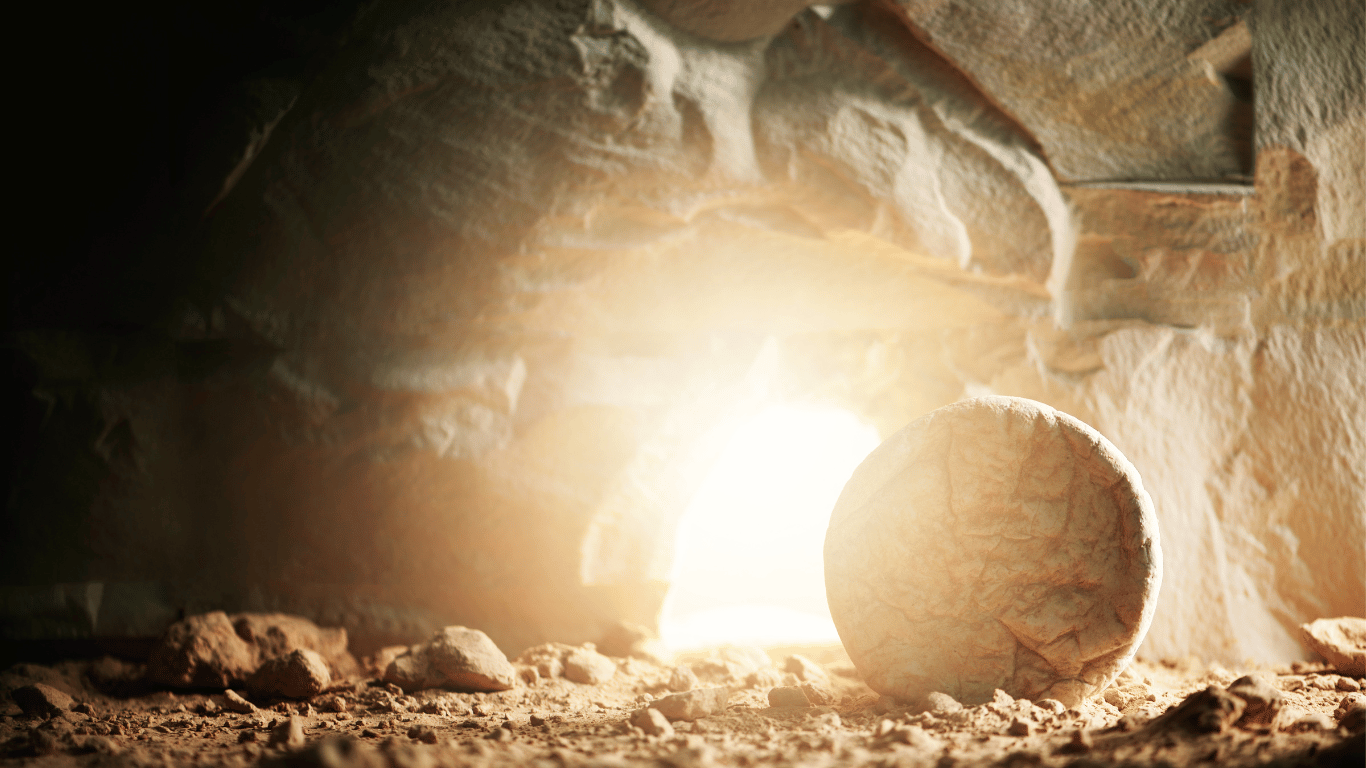
Resurrection

Resurrection is the concept of coming back to life after death. It is a belief that is shared by many religions, but with different interpretations and implications.  

Ancient religions in the Near East 

Some of the oldest religions in the Near East had myths of dying and rising gods, such as Osiris, Baal, Adonis, and Dumuzi. These gods were usually associated with fertility, vegetation, seasons or kingship. Their death and resurrection symbolized the cycle of nature and the renewal of life. However, these myths did not imply a general resurrection of the dead for humans, but rather a special privilege for the divine or royal figures. 

Ancient Greek religion 

In the ancient Greek religion, some men and women became physically immortal as they were resurrected from the dead. These include Heracles, Asclepius, Alcestis, Castor and Pollux, Orpheus, Eurydice, Ganymede, and others. Some of them were deified after their resurrection, while others remained as heroes or demigods. Their resurrection was usually a result of divine intervention, love, sacrifice or magic. They did not represent a common destiny for all humans, but rather exceptional cases of favor or fate. 

Buddhism 

Buddhism does not have a concept of resurrection in the sense of reviving a dead body or restoring a personal identity. Instead, it teaches the doctrine of rebirth or reincarnation, which means that after death, one’s consciousness or mind stream continues to exist in another form of life, depending on one’s karma or actions. The goal of Buddhism is to achieve nirvana or liberation from the cycle of rebirth, which is seen as a state of suffering and ignorance. However, some schools of Buddhism also believe in the possibility of attaining Buddhahood or enlightenment, which is a state of perfect wisdom and compassion. Some Buddhist legends also tell stories of miraculous resurrections performed by Buddha or his disciples. 

Christianity 

Christianity is based on the belief that Jesus Christ was resurrected from the dead on the third day after his crucifixion. His resurrection is seen as proof of his divinity and his victory over sin and death. It is also seen as a promise and a model for the future resurrection of all believers at the end of time. Christians differ on how to understand the nature of Jesus’ resurrection body and whether it was physical or spiritual. They also differ on how to interpret the biblical accounts of his appearances to his disciples and his ascension to heaven. However, most Christians agree that resurrection is a gift of God’s grace and not a result of human merit or effort. 

Hinduism 

Hinduism does not have a single concept of resurrection, but rather a variety of beliefs about life after death. The core belief is that of samsara or the cycle of rebirth, which is similar to Buddhism. However, Hinduism also has different views on how to escape from samsara and what happens after liberation. Some Hindus believe in moksha or union with Brahman (the supreme reality), while others believe in svarga or heaven (a realm of bliss and reward). Some Hindus also believe in avatars or incarnations of gods, such as Vishnu, who descend to earth to restore order and justice. These avatars are not resurrected from the dead but rather manifest themselves in different forms. 

Islam 

Islam teaches that Allah (God) will resurrect all people on the Day of Judgment (Yawm al-Qiyamah). This will be a physical resurrection of the body and soul, which will be reunited after death. The resurrected people will then face Allah’s justice and mercy and will be either rewarded with paradise (Jannah) or punished with hell (Jahannam). The resurrection is a sign of Allah’s power and wisdom and a test of human faith and obedience. Muslims believe that Muhammad (the prophet) was not resurrected from the dead, but rather ascended to heaven (Mi’raj) during his lifetime. 

Judaism 

Judaism has diverse views on resurrection, ranging from literal to metaphorical interpretations. The earliest sources of Judaism do not mention resurrection explicitly but rather focus on Sheol (the grave) as the common destination for all people after death. However, later sources, especially in the prophetic and apocalyptic literature, introduce the idea of a future resurrection of the righteous at the end of days (Acharit Ha-Yamim). This resurrection is linked to the messianic age (Olam Ha-Ba) and God’s sovereignty (Malchut Shamayim). Some Jews also believe in the resurrection of the wicked for judgment or annihilation. The resurrection is seen as a divine act of justice and mercy, and a fulfillment of God’s promises and covenant. 

Conclusion 

As we have seen, resurrection is a complex and diverse concept that reflects different religious perspectives and worldviews. It can be understood as a literal event, a metaphorical expression, a spiritual transformation, or a combination of these. It can also have different implications for human destiny, morality, and identity. Resurrection is not only a matter of belief, but also a matter of experience, hope, and imagination. 

5 responses to “Resurrection”

  1. puravive review Avatar

    Seeing how much work you put into it was really impressive. But even though the phrasing is elegant and the layout inviting, it seems like you are having trouble with it. My belief is that you ought to try sending the following article. If you don’t protect this hike, I will definitely come back for more of the same.

    Like

  2. breakkreload Avatar

    I have been surfing online more than 3 hours today yet I never found any interesting article like yours It is pretty worth enough for me In my opinion if all web owners and bloggers made good content as you did the web will be much more useful than ever before

    Like

  3. journallbeast Avatar

    My brother recommended I might like this web site He was totally right This post actually made my day You cannt imagine just how much time I had spent for this information Thanks

    Like

  4. esteeens Avatar

    Wow amazing blog layout How long have you been blogging for you made blogging look easy The overall look of your web site is magnificent as well as the content

    Like

Leave a Reply

The Islamic Dietary Law 

Muslims are followers of Islam, a religion that prescribes a set of dietary guidelines for its believers. These guidelines are based on the Quran, the holy book of Islam, and the Sunnah, the teachings and practices of the Prophet Muhammad. The main purpose of these guidelines is to ensure that Muslims eat what is good, pure, clean, wholesome, nourishing, and pleasing to the taste, and avoid what is harmful, impure, unclean, unhealthy, and displeasing to the taste. These guidelines also serve to bond Muslims together as a group and establish a unique Islamic identity. 

The Islamic dietary laws distinguish between food and drink that are allowed (halal) and those that are prohibited (haram). In general, everything is halal except what has been specifically forbidden by God or His messenger. Some of the foods and drinks that are haram include: 

– Dead meat: This refers to the carcass of an animal that was not slaughtered by the proper method, which involves slitting the animal’s throat swiftly and mercifully, reciting “In the name of God, God is Most Great” and draining the blood completely. This method ensures that the animal does not suffer and that the meat is free of blood and impurities. 

– Blood: This includes any blood or blood products, such as blood sausage or blood pudding. Blood is considered unclean and unhealthy in Islam. 

– Pork: This includes any part or product of a pig, such as bacon, ham, or lard. Pork is considered impure and filthy in Islam, as pigs are scavengers that feed on garbage and carrion. 

– Alcohol: This includes any intoxicating drink or substance, such as wine, beer, or drugs. Alcohol is considered harmful and sinful in Islam, as it impairs one’s judgment, reason, and morality. 

– Meat sacrificed to idols: This includes any meat that was offered or dedicated to any other deity or being besides God. Such meat is considered idolatrous and disrespectful to God in Islam. 

There are some exceptions to these rules in cases of necessity or emergency. For example, if a person is starving and has no other option but to eat haram food or drink, he or she can do so without being sinful, as long as he or she does not like it or intends to disobey God. This is known as the law of necessity in Islam. 

Muslims around the world follow these dietary laws with varying degrees of strictness and awareness. Some Muslims may be more careful about checking the ingredients and sources of their food and drink, while others may be more lenient and trusting. Some Muslims may also follow additional rules or preferences based on their culture, tradition, or school of thought. For example, some Muslims may avoid eating certain animals that are halal but disliked by the Prophet Muhammad, such as lizards or donkeys. Some Muslims may also avoid eating certain seafood that is halal but considered makruh (disliked) by some scholars, such as shrimp or crab. 

The Islamic dietary laws are not meant to burden or restrict Muslims, but rather to benefit and protect them. By following these laws, Muslims can enjoy a healthy, balanced, and ethical diet that pleases God and nourishes their body and soul. 

What are the health benefits of halal food? Halal food is not only good for one’s spiritual well-being but also for one’s physical health. Some of the health benefits of halal food are: 

– Halal food is safer to eat: Halal food is prepared according to strict hygiene standards that prevent contamination and infection. Halal food also avoids harmful substances such as pork, blood, and alcohol that can cause diseases or allergies. 

– Halal food is more nutritious: Halal food is rich in protein, iron, zinc, and other essential nutrients that are vital for growth and development. Halal food also avoids artificial additives, preservatives, and hormones that can affect one’s health negatively. 

– Halal food boosts metabolism: Halal food helps speed up one’s metabolism, which is good for controlling weight and maintaining general health. Halal food also helps regulate blood sugar levels and cholesterol levels. 

– Halal food enhances mental health: Halal food may have a beneficial effect on the brain, enhancing mental and cognitive wellness. Halal food also helps reduce stress, anxiety, and depression by promoting a positive mood and outlook. 

– Halal food strengthens immunity: Halal food can boost one’s immunity, enabling the body to fight off diseases and infections. Halal food also helps prevent inflammation and oxidative stress that can damage cells and tissues. 

How do these laws compare with other religious dietary laws? Many religions have rules and customs concerning what may or may not be eaten under certain conditions. These rules may be based on various factors, such as health, cleanliness, morality, spirituality, or social identity. Some examples of other religious dietary laws are: 

– Judaism: Judaism has a similar set of dietary laws to Islam, called kashrut. These laws prohibit eating pork, blood, shellfish, and meat sacrificed to idols. They also forbid mixing meat with dairy products and require slaughtering animals by a ritual method called shechita. 

– Christianity: Christianity does not have a uniform set of dietary laws for all its branches and denominations. Some Christians follow the Jewish dietary laws or observe fasting periods during Lent or Advent. Others may abstain from certain foods or drinks for personal reasons or as a form of devotion. 

– Hinduism: Hinduism has a diverse range of dietary practices depending on one’s caste, sect, and region. Many Hindus avoid eating beef, as cows are considered sacred animals in Hinduism. Some Hindus also avoid eating meat altogether or follow a vegetarian or vegan diet for ethical or spiritual reasons. 

– Buddhism: Buddhism does not have a strict set of dietary laws for all its followers. Some Buddhists follow a vegetarian or vegan diet out of compassion for all living beings and respect for the principle of non-violence (ahimsa). Others may eat meat if it is offered to them or if they have no other choice. 

– Sikhism: Sikhism does not have a specific set of dietary laws for its adherents. However, some Sikhs avoid eating meat, especially halal or kosher meat, as they consider it a form of violence. Some Sikhs also avoid eating eggs, fish, or alcohol for health or religious reasons. 

3 responses to “The Islamic Dietary Law ”

  1. TimesMerkk Avatar

    obviously like your website but you need to test the spelling on quite a few of your posts Several of them are rife with spelling problems and I to find it very troublesome to inform the reality on the other hand Ill certainly come back again

    Like

    1. R F Cayea Avatar

      Thanks for the feedback you are right. I will try to work on it.

      Like

  2. flooring Avatar

    I am not sure where youre getting your info but good topic I needs to spend some time learning much more or understanding more Thanks for magnificent info I was looking for this information for my mission

    Like

Leave a Reply