
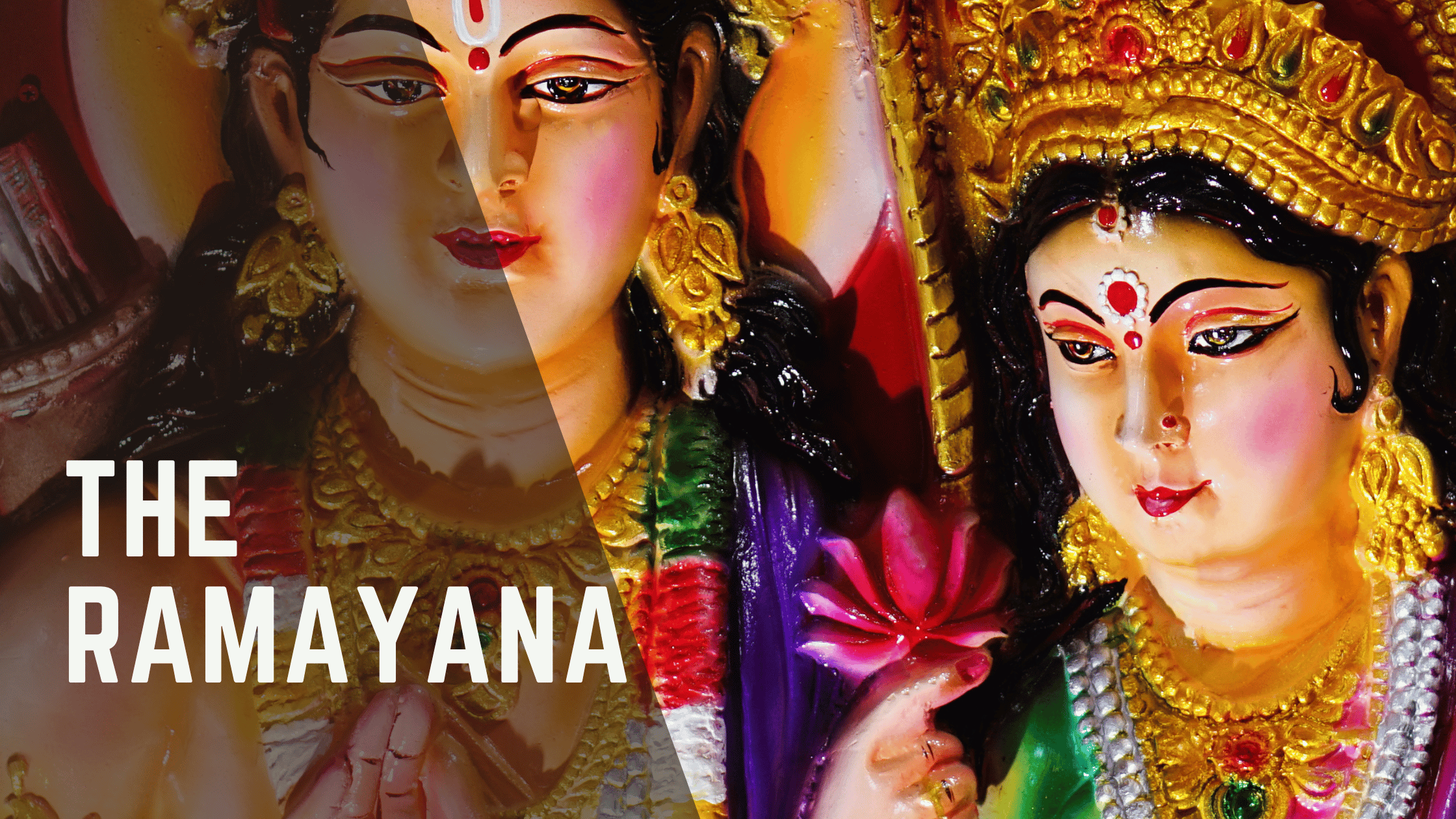
Introduction to The Ramayana
The Ramayana is one of the most revered and influential epic tales in the Hindu tradition, captivating audiences across the Indian subcontinent and beyond. This timeless narrative, attributed to the legendary sage Valmiki, chronicles the heroic journey of Lord Rama, the embodiment of righteousness and moral virtue. Through the epic’s rich tapestry of characters, conflicts, and profound insights, The Ramayana has endured as a timeless source of wisdom, offering a profound exploration of the human experience and the pursuit of enlightenment.
At its core, The Ramayana is a testament to the enduring power of dharma, the universal principles of righteousness, and ethical conduct that guide the individual and society. As readers delve into this epic, they are invited to witness the struggles and triumphs of the characters, each of whom serves as a reflection of the myriad facets of the human condition. From the unwavering courage and integrity of Rama to the complex motivations of the antagonist, Ravana, The Ramayana invites us to grapple with the universal themes of duty, love, sacrifice, and the eternal battle between good and evil.
The characters of The Ramayana and their relevance in today’s world
The Ramayana features a diverse cast of characters, each of whom embodies a distinct archetype and serves as a profound source of inspiration and contemplation. At the center of the epic stands the noble and virtuous Lord Rama, whose unwavering commitment to dharma and his role as the ideal king and husband have made him a revered figure across the Hindu world. Alongside Rama, the epic introduces us to his devoted wife, Sita, whose purity, resilience, and unfailing love serve as a model of the ideal partner and mother.
Beyond the primary protagonists, The Ramayana introduces a rich tapestry of supporting characters, each of whom offers valuable lessons for contemporary readers. The loyal and steadfast Hanuman, the embodiment of devotion and unwavering service, stands as a testament to the power of faith and commitment. The complex figure of Ravana, the ten-headed demon king, challenges us to consider the nature of evil and the consequences of unchecked ambition and pride. Even the noble brothers Bharata and Lakshmana, who each make profound sacrifices in service of Rama, serve as exemplars of filial piety and selflessness.
As readers engage with these timeless characters, they are invited to reflect on the enduring relevance of The Ramayana’s lessons in the modern world. The epic’s exploration of ethical leadership, the sanctity of the family, and the triumph of virtue over vice offer valuable insights that resonate across cultures and generations, guiding us toward a deeper understanding of our own humanity and the path to personal and societal transformation.
The epic journey of Lord Rama and its lessons for personal growth and self-realization
At the heart of The Ramayana lies the epic journey of Lord Rama, whose quest to reclaim his rightful place as the ruler of Ayodhya and rescue his beloved wife, Sita, from the clutches of the demon king Ravana, is a profound allegory for the individual’s own spiritual and personal transformation.
Rama’s journey is marked by a series of trials and tribulations, each of which serves to test his character and refine his understanding of the nature of dharma. From his exile in the forest to his epic battle against the formidable Ravana, Rama’s actions are guided by an unwavering commitment to righteousness and a deep sense of duty. In the face of adversity, he demonstrates the qualities of courage, compassion, and wisdom, emerging as a paragon of moral virtue and the ideal leader.
For the reader, Rama’s journey serves as a powerful metaphor for the individual’s own quest for self-realization and spiritual enlightenment. The epic’s exploration of themes such as the struggle between good and evil, the importance of duty and sacrifice, and the transformative power of love and devotion offer valuable insights that can inform and guide the reader’s personal growth and development. By witnessing Rama’s triumphs and tribulations, the reader is invited to reflect on their inner journey, drawing inspiration and wisdom from the epic’s timeless lessons.
Synopsis of The Ramayana
The Ramayana is a sprawling epic that chronicles the life and adventures of Lord Rama, the incarnation of the Hindu deity Vishnu. The narrative begins with the birth of Rama in the kingdom of Ayodhya, where he is the beloved son of King Dasharatha and Queen Kaikeyi. As Rama comes of age, he is chosen to succeed his father as the rightful heir to the throne, but this plan is thwarted by the machinations of Kaikeyi, who banishes Rama to the forest for 14 years.
Accompanied by his devoted wife, Sita, and his loyal brother, Lakshmana, Rama embarks on a transformative journey through the wilderness, facing numerous challenges and adversaries along the way. The epic reaches its climactic moment when Sita is abducted by the demon king Ravana, who takes her to his kingdom of Lanka. Rama, with the help of the mighty monkey warrior Hanuman and his army, launches a daring rescue mission, culminating in an epic battle that ultimately leads to Ravana’s defeat and Sita’s liberation.
Throughout the narrative, The Ramayana explores the themes of duty, righteousness, and the eternal struggle between good and evil. The epic’s rich tapestry of characters, each with their complex motivations and moral dilemmas, offers a profound meditation on the human condition and the pursuit of enlightenment. As Rama and his companions navigate the challenges of their journey, the reader is invited to engage with the timeless wisdom and life lessons that have made The Ramayana a revered and enduring classic of world literature.
The timeless wisdom and life lessons in The Ramayana
The Ramayana is a treasure trove of timeless wisdom and life lessons that have captivated audiences for generations. At its core, the epic is a profound exploration of the universal principles of dharma, or righteous conduct, and the importance of upholding moral and ethical values in both individual and societal contexts.
One of the central lessons of The Ramayana is the importance of duty and sacrifice in the pursuit of a higher purpose. Through the actions of characters like Rama, Sita, and Lakshmana, the epic underscores the notion that true fulfillment and enlightenment can only be achieved through a selfless commitment to one’s responsibilities and the greater good. The epic’s exploration of themes such as loyalty, devotion, and the sanctity of the family unit offers valuable insights into the foundation of a harmonious and just society.
Additionally, The Ramayana delves deep into the complexities of the human experience, exploring the nature of love, the struggle between good and evil, and the transformative power of spiritual growth. Through the epic’s rich cast of characters, readers are invited to grapple with the moral dilemmas and ethical quandaries that shape the human condition, ultimately emerging with a deeper understanding of their inner struggles and the path to personal and spiritual fulfillment.
The timeless wisdom of The Ramayana has continued to resonate across cultures and generations, informing the artistic, literary, and philosophical traditions of the Indian subcontinent and beyond. As readers engage with this epic, they are invited to discover the enduring relevance of its lessons, which continue to guide and inspire individuals in their pursuit of a more just, harmonious, and spiritually enriched world.
The role of devotion and spirituality in The Ramayana
Devotion and spirituality play a central role in the narrative of The Ramayana, serving as the foundation for the epic’s exploration of the human experience and the quest for enlightenment. Throughout the epic, the characters’ unwavering faith in the divine, their devotion to their loved ones, and their commitment to upholding the principles of dharma are presented as the guiding forces that shape their actions and destinies.
At the heart of The Ramayana stands the figure of Lord Rama, who is revered as the embodiment of the divine and the ideal of righteous conduct. Rama’s journey is marked by a deep sense of devotion to the divine, as well as a profound commitment to his duty and the well-being of his subjects. This spiritual and moral foundation is further reinforced through the presence of characters like Hanuman, whose unshakable devotion to Rama serves as a testament to the transformative power of faith and devotion.
The Ramayana also delves into the role of spiritual practices and rituals in the pursuit of enlightenment. From the chanting of mantras to the performance of sacred ceremonies, the epic highlights the importance of engaging with the divine through various means of spiritual expression. This emphasis on the integration of the material and the spiritual realms serves to underline the holistic nature of the human experience, where the individual’s inner and outer worlds are inextricably linked.
By exploring the profound interplay between devotion, spirituality, and the pursuit of dharma, The Ramayana offers readers a multifaceted perspective on the nature of the human condition and the path to personal and societal transformation. As readers engage with the epic’s rich tapestry of spiritual themes and practices, they are invited to reflect on their relationship with the divine and the role of spirituality in their own lives.
The cultural and historical context of The Ramayana
The Ramayana is deeply rooted in the rich cultural and historical traditions of the Indian subcontinent, serving as a testament to the enduring influence of Hindu mythology and philosophy on the region’s collective consciousness. The epic’s origins can be traced back to ancient Sanskrit texts, with the earliest known version attributed to the revered sage Valmiki, who is believed to have composed the work sometime between the 5th and 3rd centuries BCE.
The Ramayana’s cultural and historical significance extends far beyond its literary merits, as the epic has profoundly shaped the religious, artistic, and social fabric of the Indian subcontinent. The story of Rama and his heroic journey has been retold and reinterpreted across various regional and linguistic traditions, giving rise to a diverse tapestry of adaptations and interpretations that reflect the epic’s universal appeal and relevance.
From the grand temple complexes and mural paintings that depict scenes from The Ramayana to the countless theatrical and musical performances that have brought the epic to life, the cultural legacy of this timeless narrative is woven into the very fabric of Indian civilization. The epic’s influence has also extended beyond the Indian subcontinent, with versions and adaptations found in various Southeast Asian cultures, further underscoring the universality of its themes and the enduring power of its storytelling.
By exploring the rich cultural and historical context of The Ramayana, readers can gain a deeper appreciation for the epic’s enduring significance and the ways in which it has continued to shape the collective consciousness of the Indian people. This understanding, in turn, can provide valuable insights into the complex interplay between mythology, religion, and the human experience, offering a unique window into the diverse and multifaceted tapestry of Indian civilization.
The various versions and adaptations of The Ramayana
The Ramayana, as a timeless epic, has inspired countless retellings, adaptations, and interpretations across various cultural and linguistic traditions. From the original Sanskrit version attributed to Valmiki to the numerous regional variations found throughout the Indian subcontinent, the epic’s rich and diverse legacy is a testament to its enduring appeal and the universal relevance of its themes.
One of the most well-known and influential versions of The Ramayana is the Ramcharitmanas, a 16th-century Hindi adaptation composed by the renowned poet Tulsidas. This version, which blends the epic narrative with devotional poetry and philosophical insights, has become a beloved and revered text within the Hindu tradition, inspiring countless artistic and cultural interpretations.
Beyond the Indian subcontinent, The Ramayana has also found expression in the literary and artistic traditions of Southeast Asia, with notable adaptations found in countries like Indonesia, Thailand, and Cambodia. These regional versions often incorporate local cultural elements and storytelling traditions, while still maintaining the core narrative and thematic elements of the original epic.
In the modern era, The Ramayana has continued to inspire new and innovative interpretations, with adaptations ranging from graphic novels and animated films to theatrical productions and musical compositions. These contemporary renditions have helped to introduce the epic’s timeless wisdom to new generations of readers and audiences, ensuring the enduring relevance and cultural impact of this timeless narrative.
By exploring the diverse tapestry of Ramayana adaptations and interpretations, readers can gain a deeper understanding of the epic’s universal appeal and the ways in which it has continued to resonate across cultures and time periods. This rich legacy serves as a testament to the enduring power of storytelling and the capacity of great works of literature to transcend the boundaries of language and geography.
The influence of The Ramayana on art, literature, and popular culture
The Ramayana’s influence on the artistic, literary, and cultural traditions of the Indian subcontinent and beyond is truly immeasurable. This epic narrative has served as a wellspring of inspiration for countless artists, writers, and creative visionaries, who have drawn upon its rich tapestry of characters, themes, and narratives to produce some of the most enduring works of art and literature.
In the realm of visual art, The Ramayana has inspired a vast array of masterpieces, from the intricate mural paintings found in temple complexes to the breathtaking miniature paintings that adorn the pages of illustrated manuscripts. These artistic renditions have not only captured the epic’s dramatic moments but have also served as a means of preserving and disseminating its timeless wisdom and cultural significance.
The literary influence of The Ramayana is equally profound, with the epic serving as a foundational text for countless works of poetry, drama, and prose. From the Ramcharitmanas of Tulsidas to the modern-day retellings by authors like R.K. Narayan and Devdutt Pattanaik, the epic’s narrative has continued to inspire new and innovative interpretations that speak to the universal human experience.
Beyond the realms of traditional art and literature, The Ramayana has also left an indelible mark on popular culture, with its characters and narratives finding expression in film, television, and even the world of comic books and graphic novels. These adaptations have played a crucial role in introducing the epic’s timeless wisdom to new generations of audiences, ensuring its enduring relevance and cultural impact.
The Ramayana’s influence on the artistic and cultural landscape of the Indian subcontinent and beyond is a testament to the epic’s enduring power and the universality of its themes. As readers engage with these myriad interpretations and adaptations, they are invited to discover the ways in which this timeless narrative continues to shape and inspire the creative expression of humanity.
Lessons from The Ramayana that are still relevant today
The Ramayana, despite its ancient origins, continues to offer a wealth of lessons and insights that remain profoundly relevant in the modern world. As readers delve into the epic’s rich tapestry of characters, conflicts, and moral dilemmas, they are confronted with a timeless exploration of the human experience, one that speaks to the universal challenges and aspirations that we all face.
One of the key lessons that emerges from The Ramayana is the importance of upholding moral and ethical principles in the face of adversity. Through the actions of characters like Rama and Sita, the epic underscores the notion that true strength and heroism lie not in raw power or material wealth, but in the unwavering commitment to righteousness and the greater good. In a world increasingly defined by moral ambiguity and the pursuit of self-interest, these lessons serve as a powerful reminder of the enduring value of integrity, compassion, and selfless service.
The Ramayana also offers valuable insights into the nature of leadership and the responsibilities that come with wielding power. Through Rama’s journey, the epic explores the delicate balance between duty and personal fulfillment, highlighting the importance of placing the needs of the community above individual desires. In an era marked by political and social upheaval, these lessons on ethical governance and the role of the leader in shaping a just and harmonious society continue to resonate with readers and thinkers alike.
Furthermore, The Ramayana’s exploration of the human condition, with its complex interplay of love, loss, and the eternal struggle between good and evil, serves as a profound meditation on the universal experiences that define the human experience. As readers engage with the epic’s rich cast of characters, they are invited to reflect on their own personal journeys, drawing inspiration and wisdom from the timeless lessons that emerge from the narrative.
Ultimately, the enduring relevance of The Ramayana lies in its ability to transcend the boundaries of time and space, offering a timeless blueprint for personal growth, ethical conduct, and the pursuit of a more just and harmonious world. As readers continue to engage with this epic masterpiece, they will undoubtedly find themselves inspired and transformed by its timeless wisdom and its enduring legacy.
Conclusion: The enduring legacy of The Ramayana
The Ramayana, as a timeless epic, has left an indelible mark on the cultural, spiritual, and intellectual landscape of the Indian subcontinent and beyond. Through its rich tapestry of characters, conflicts, and profound insights, this revered narrative has captivated audiences for generations, serving as a testament to the enduring power of great storytelling and the universal human experiences that define our shared existence.
At the The Ramayana’s enduring legacy can be attributed to its ability to transcend the boundaries of time and space, offering a timeless blueprint for personal growth, ethical conduct, and the pursuit of a more just and harmonious world. As readers continue to engage with this epic masterpiece, they will undoubtedly find themselves inspired and transformed by its timeless wisdom and its enduring legacy.
One of the key reasons for the epic’s continued relevance is its profound exploration of the human experience, which resonates with audiences across cultures and generations. The Ramayana’s rich tapestry of characters, each grappling with their own moral dilemmas and personal struggles, serves as a mirror to the universal challenges and aspirations that define the human condition. Whether it is the unwavering courage and integrity of Rama, the resilience and purity of Sita, or the complex motivations of the antagonist Ravana, the epic’s ability to capture the nuances of the human experience has ensured its enduring appeal.
Moreover, the Ramayana’s emphasis on the importance of upholding moral and ethical principles in the face of adversity has made it a timeless guide for personal and societal transformation. The epic’s exploration of themes such as duty, sacrifice, and the triumph of good over evil continue to resonate with readers who seek to navigate the complexities of the modern world. In a time marked by moral ambiguity and the pursuit of self-interest, the Ramayana’s lessons on integrity, compassion, and selfless service offer a profound and much-needed counterpoint.
Beyond its thematic richness, the Ramayana’s enduring legacy can also be attributed to the diverse tapestry of artistic and cultural interpretations that have emerged over the centuries. From the intricate mural paintings that adorn temple walls to the captivating theatrical and musical performances that have brought the epic to life, the Ramayana has inspired countless creative expressions that have helped to preserve and disseminate its timeless wisdom. This rich legacy of adaptations and retellings has not only ensured the epic’s continued relevance but has also served as a testament to its universal appeal and the enduring power of storytelling.
As the world continues to grapple with the challenges of the 21st century, the Ramayana’s timeless lessons on ethical leadership, the sanctity of the family, and the pursuit of spiritual enlightenment remain as relevant and vital as ever. By engaging with this epic narrative, readers are invited to embark on their own transformative journeys, drawing inspiration and wisdom from the timeless lessons that have captivated audiences for generations. The Ramayana’s enduring legacy, therefore, lies not only in its literary and cultural impact but in its ability to serve as a guiding light for those who seek to navigate the complexities of the human experience and build a more just and harmonious world.
Discover the timeless wisdom and life-changing lessons of The Ramayana by exploring our in-depth analysis and interpretation of this epic masterpiece. Unlock the secrets to personal growth, ethical leadership, and spiritual fulfillment that have inspired generations of readers.