
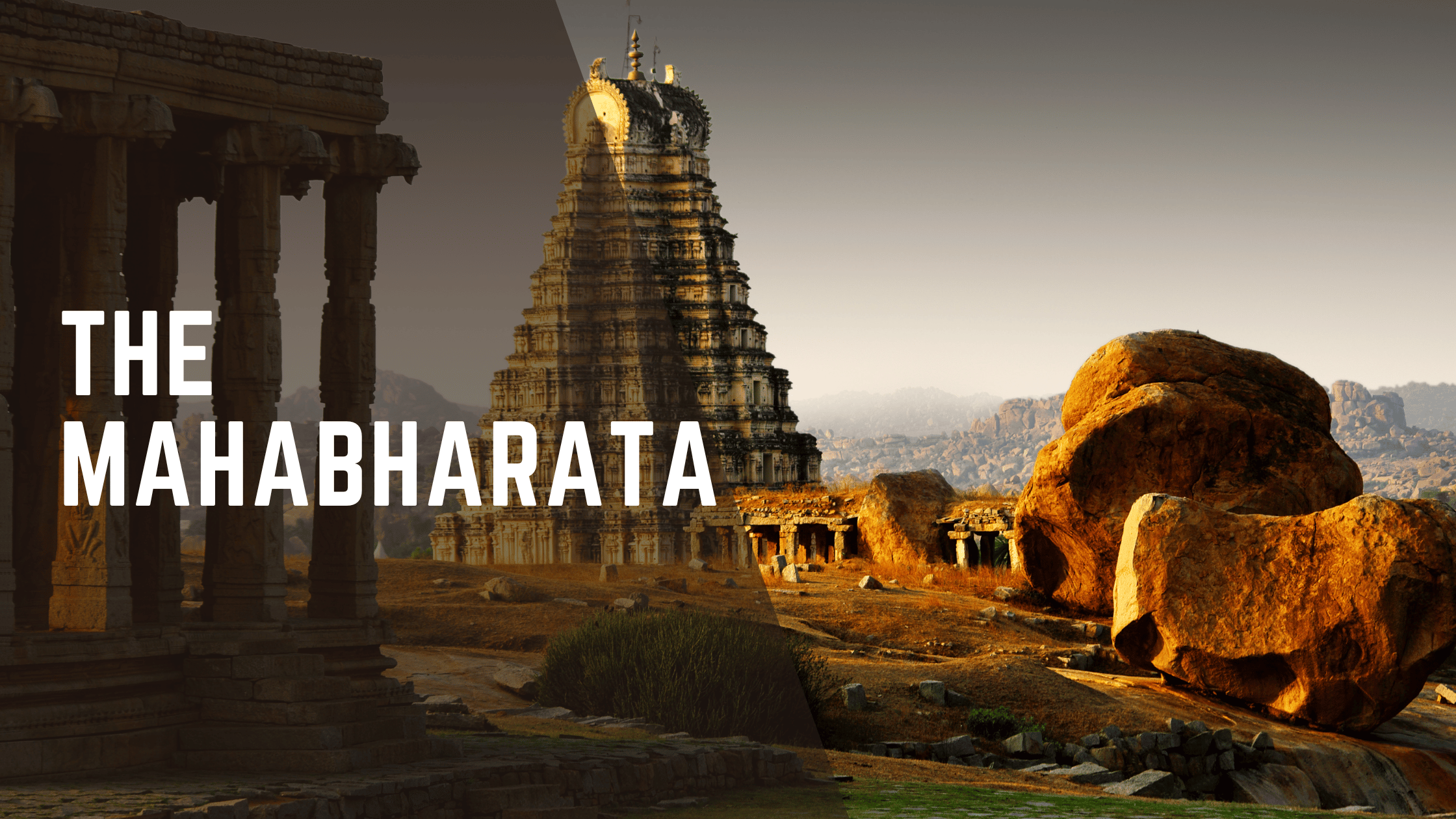
The Mahabharata, one of the most revered and influential epics in the world, has captivated the hearts and minds of countless individuals for centuries. This colossal work of literature, steeped in history, mythology, and timeless wisdom, offers a profound and multifaceted exploration of the human condition. In this article, we will delve into the epic’s rich tapestry, unraveling its key characters, plot, themes, and the enduring impact it has had on Indian culture and beyond.
Introduction to the Mahabharata
The Mahabharata is an ancient Sanskrit epic that tells the story of a dynastic struggle between two branches of a royal family, the Pandavas and the Kauravas, for control of the kingdom of Bharata. Attributed to the sage Vyasa, this monumental work is not only a captivating tale of war, intrigue, and personal struggles but also a repository of profound philosophical and ethical teachings.
The Historical and Mythological Context of the Mahabharata
The Mahabharata is believed to have been composed sometime between the 8th and 4th centuries BCE, though its origins can be traced back to much earlier oral traditions. The epic is set against the backdrop of the Kurukshetra War, a legendary conflict that took place in the ancient Indian subcontinent. While the historical accuracy of the events depicted in the Mahabharata is a subject of ongoing scholarly debate, the epic’s enduring influence and cultural significance are undeniable.
Key Characters and Their Significance in the Mahabharata
The Mahabharata is populated by a rich tapestry of characters, each with their own unique personalities, motivations, and roles in the unfolding drama. Among the most prominent are:
- The Pandavas: The five heroic brothers – Yudhishthira, Bhima, Arjuna, Nakula, and Sahadeva – who are the rightful heirs to the Bharata kingdom.
- The Kauravas: The one hundred sons of the blind king Dhritarashtra, led by the cunning and manipulative Duryodhana, who are the main antagonists in the epic.
- Krishna: The divine incarnation of Vishnu, who serves as a mentor and adviser to the Pandavas, playing a pivotal role in the events of the Kurukshetra War.
- Draupadi: The wife of the Pandavas, whose mistreatment at the hands of the Kauravas sets in motion the chain of events leading to the great war.
- Bhishma: The revered patriarch of the Kuru dynasty, who is bound by his vow of celibacy and loyalty, and finds himself caught in the crossfire of the conflict.
These characters, and many others, embody the complex moral dilemmas, personal struggles, and universal themes that make the Mahabharata a timeless masterpiece.
Plot Summary of the Mahabharata
The Mahabharata’s sprawling narrative can be broadly divided into several key episodes:
- The Pandavas’ Exile: After a game of dice, the Pandavas are exiled to the forest for 13 years, during which they face numerous challenges and hardships.
- The Kurukshetra War: The Pandavas and the Kauravas eventually engage in a colossal battle on the plains of Kurukshetra, with Krishna guiding the Pandavas to victory.
- The Aftermath: The Pandavas emerge victorious, but the epic concludes with the eventual passing of the Kuru dynasty and the Pandavas’ own journey towards enlightenment.
The Mahabharata’s plot is a tapestry of intricate political maneuverings, personal rivalries, moral dilemmas, and the ultimate triumph of righteousness over evil.
Themes and Lessons from the Mahabharata
The Mahabharata is a rich repository of timeless wisdom, exploring a wide range of themes that resonate with readers across cultures and generations. Some of the key themes include:
- Dharma: The complex concept of righteous duty and moral conduct, which is central to the epic’s philosophical underpinnings.
- Karma: The principle of action and consequence, and its impact on the characters’ choices and destinies.
- The Duality of Human Nature: The epic delves into the inherent complexities and contradictions within the human psyche.
- The Importance of Wisdom and Ethical Leadership: The Mahabharata emphasizes the vital role of wise and virtuous leadership in maintaining social harmony and justice.
Through these themes, the Mahabharata offers a wealth of moral lessons and insights that continue to inspire and guide readers today.
Exploring the Moral Dilemmas in the Mahabharata
One of the Mahabharata’s most compelling aspects is its exploration of complex moral dilemmas faced by its characters. The epic does not provide simplistic answers, but rather invites readers to grapple with the nuances of ethical decision-making. From Arjuna’s internal struggle on the battlefield to Yudhishthira’s agonizing choices, the Mahabharata presents a multifaceted examination of the human condition, challenging readers to confront their own moral compasses.
Comparison with Other Ancient Epics like the Ramayana
While the Mahabharata stands as a colossal work in its own right, it is often compared to other ancient epics, such as the Ramayana. Both share a deep-rooted connection to Indian mythology and philosophy, but they differ in their narrative focus and thematic emphasis. The Ramayana, for instance, centers on the heroic journey of Rama, while the Mahabharata delves into the complexities of dynastic struggle and moral dilemmas. These comparative analyses shed light on the rich tapestry of ancient Indian literature and the universal appeal of these timeless works.
Popular Adaptations and Retellings of the Mahabharata
The enduring popularity of the Mahabharata has led to numerous adaptations and retellings across various media, including literature, theater, film, and television. From the classic Sanskrit version to modern interpretations, these adaptations have brought the epic’s timeless stories and teachings to diverse audiences, ensuring its continued relevance and impact. Some notable examples include the critically acclaimed graphic novel series by Amruta Patil and Devdutt Pattanaik, as well as the iconic television series “Mahabharat” directed by B.R. Chopra.
The Epic’s Impact on Indian Culture and Literature
The Mahabharata’s influence on Indian culture and literature is profound and far-reaching. The epic’s themes, characters, and philosophical teachings have permeated every aspect of Indian art, literature, and intellectual discourse. From classical dance forms to contemporary poetry, the Mahabharata’s imprint can be seen in the works of countless Indian artists and writers. Moreover, the epic’s rich symbolism and metaphors have become deeply ingrained in the collective consciousness of the Indian subcontinent, shaping the cultural and spiritual identity of the region.
The Enduring Legacy of the Mahabharata in Literature and Art
The Mahabharata’s impact extends far beyond the boundaries of India, as its universal themes and timeless wisdom have captivated audiences worldwide. The epic’s influence can be seen in the works of renowned authors, playwrights, and artists from diverse cultural backgrounds. From T.S. Eliot’s references to the Mahabharata in his seminal poem “The Waste Land” to the epic’s influence on the mythological writings of J.R.R. Tolkien, the Mahabharata’s enduring legacy continues to shape the global literary and artistic landscape.
Exploring the Philosophical and Ethical Aspects of the Mahabharata
At the heart of the Mahabharata lies a profound exploration of philosophical and ethical questions that have perplexed humanity for millennia. The epic delves into the nature of duty, justice, and the human condition, offering a multifaceted perspective on the complexities of moral decision-making. From the Bhagavad Gita’s teachings on the nature of the self and the path to enlightenment to the epic’s broader examination of the role of destiny and free will, the Mahabharata invites readers to engage in deep contemplation and self-reflection.
Conclusion: The Timeless Relevance of the Mahabharata
The Mahabharata, with its sweeping narrative, complex characters, and timeless wisdom, remains a testament to the enduring power of storytelling and the human spirit. As we delve into the epic’s rich tapestry, we are reminded of the universal themes that transcend the boundaries of time and culture, touching the hearts and minds of audiences across the globe. The Mahabharata’s enduring legacy continues to inspire and captivate, offering a profound and multifaceted exploration of the human experience that resonates with readers and scholars alike.